Class #1107
Artemis BJJ (MYGYM Bristol), Can Sönmez, Bristol, UK - 05/02/2019
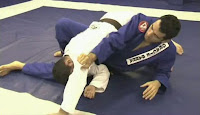
My second go at teaching Mario's frame switch, in a broader lesson. Looking forward to sharing this some more tomorrow, I think it should prove useful. I've been working on the material from Ryan Hall's Defensive Guard for a few years now (also drawing on Jeff Rockwell's Sit Up Escape System), this fits in really nicely. I was super pleased with Mario's lesson, exactly what I wanted to help my open guard. The test will now be if I can both apply it to my open guard, as well as help my students do the same.
I had a good roll with Adrienne too: it's always awesome when she makes it to class, one of my favourite people to roll with. Super tight defence!
Showing posts with label guard retention. Show all posts
Showing posts with label guard retention. Show all posts
05 February 2019


06 September 2015
06/09/2015 - Open Mat | Jeff Rockwell Sit-Up Escape System
Class #663
Artemis BJJ (MYGYM Bristol), Open Mat, Bristol, UK - 06/09/2015
Looking again at what Jeff Rockwell says about frames, I realised that I had my arms too bent when drilling on Friday. I was also too low on their arms. The way Rockwell shows it, you have your forearms in front of you, almost at right angles, pressing your forearm into the crook of their elbow and the side of their neck. That's a different angle to the standard side control defensive frame, where you're more underneath your partner. This version stops them getting weight on you, and it is also something you can throw up as soon as they start to pass.
I think there is an element of pushing them towards your legs. I definitely had to make some space in order to do the initial bridge, as that's immediately followed by a quick horizontal slide of the elbow-arm, shifting across into a collar tie. Once that is in place and I've sat up, it gets easier. Sitting up is the most difficult part so far.
When my drilling partner added in more resistance, it was unsurprisingly harder to get, but seemed to lend itself to scarf hold escapes (though that might also have been because my partner was a judoka). They are already being pushed towards the legs, so it presumably feels fairly natural to turn into scarf hold. I need to look again at that stiff arm options Rockwell shows on that: I was shoving and reversing them, but I was being sloppy. Working into the frame when they've already got a cross-face is tough too, but that can be a good moment to try the standard stiff arm I first learned (shoving into their elbow from behind, like I was practicing on Friday).
Artemis BJJ (MYGYM Bristol), Open Mat, Bristol, UK - 06/09/2015
Looking again at what Jeff Rockwell says about frames, I realised that I had my arms too bent when drilling on Friday. I was also too low on their arms. The way Rockwell shows it, you have your forearms in front of you, almost at right angles, pressing your forearm into the crook of their elbow and the side of their neck. That's a different angle to the standard side control defensive frame, where you're more underneath your partner. This version stops them getting weight on you, and it is also something you can throw up as soon as they start to pass.
I think there is an element of pushing them towards your legs. I definitely had to make some space in order to do the initial bridge, as that's immediately followed by a quick horizontal slide of the elbow-arm, shifting across into a collar tie. Once that is in place and I've sat up, it gets easier. Sitting up is the most difficult part so far.
When my drilling partner added in more resistance, it was unsurprisingly harder to get, but seemed to lend itself to scarf hold escapes (though that might also have been because my partner was a judoka). They are already being pushed towards the legs, so it presumably feels fairly natural to turn into scarf hold. I need to look again at that stiff arm options Rockwell shows on that: I was shoving and reversing them, but I was being sloppy. Working into the frame when they've already got a cross-face is tough too, but that can be a good moment to try the standard stiff arm I first learned (shoving into their elbow from behind, like I was practicing on Friday).
30 August 2015
30/08/2015 - Open Mat | More Jeff Rockwell Sit-Up Escape
Class #662
Artemis BJJ (MYGYM Bristol), Open Mat, Bristol, UK - 30/08/2015
I seem to have done something to my ankle, so I didn't get all that involved today. My main bit of training came right at the end, with more material from Jeff Rockwell's sit-up escape instructional. Like an open mat earlier in the week, I'm focusing on a sequence he shows that starts from underneath side control. The escape begins with your usual frame, except that you are also blocking the cross-face, like Saulo advises. Bridge up into them to make some space, then get a collar tie (i.e., grab behind their head, hooking your hand around and pressing your elbow into their clavicle) with what was your cross-face blocking arm. Post on your other arm and sit up, then scoot away to recover guard.
They manage to shuck your collar tie off their head. Immediately push into the side of their head, swinging your hips and legs across like you would from a running escape. Wise to that as well, they come around the side of your leg. Finally, you counter that by stiff-arming into the back of their elbow, recovering to guard. Interestingly - and this was most likely down to the limited resistance during drilling - I kept finding myself in a pseudo omoplata position. Their arm often got trapped as I was swinging my legs through. Looking at the gi from Rockwell's instructional, his training partner lifts his elbow and brings his arm back to avoid that.
I'll add it into the drill: I'm still treating this as a drill rather than what I expect to happen in sparring. From what I read in the instructional, I am assuming this drill is intended to get you used to some of the common motions associated with the sit up escape system Rockwell has developed. I need to re-read/re-watch it from the start anyway, especially as I'm now moving into side control month. Perfect time to test it.
Another interesting technical point from today was Sam's use of the rolling back take I showed on Friday. He was finding that reaching back with his 'outer' arm and grabbing the bottom of their trouser leg 'locked' the technique in place. It also provided another leverage point to pull through, helping the back take.
Artemis BJJ (MYGYM Bristol), Open Mat, Bristol, UK - 30/08/2015
I seem to have done something to my ankle, so I didn't get all that involved today. My main bit of training came right at the end, with more material from Jeff Rockwell's sit-up escape instructional. Like an open mat earlier in the week, I'm focusing on a sequence he shows that starts from underneath side control. The escape begins with your usual frame, except that you are also blocking the cross-face, like Saulo advises. Bridge up into them to make some space, then get a collar tie (i.e., grab behind their head, hooking your hand around and pressing your elbow into their clavicle) with what was your cross-face blocking arm. Post on your other arm and sit up, then scoot away to recover guard.
They manage to shuck your collar tie off their head. Immediately push into the side of their head, swinging your hips and legs across like you would from a running escape. Wise to that as well, they come around the side of your leg. Finally, you counter that by stiff-arming into the back of their elbow, recovering to guard. Interestingly - and this was most likely down to the limited resistance during drilling - I kept finding myself in a pseudo omoplata position. Their arm often got trapped as I was swinging my legs through. Looking at the gi from Rockwell's instructional, his training partner lifts his elbow and brings his arm back to avoid that.
I'll add it into the drill: I'm still treating this as a drill rather than what I expect to happen in sparring. From what I read in the instructional, I am assuming this drill is intended to get you used to some of the common motions associated with the sit up escape system Rockwell has developed. I need to re-read/re-watch it from the start anyway, especially as I'm now moving into side control month. Perfect time to test it.
Another interesting technical point from today was Sam's use of the rolling back take I showed on Friday. He was finding that reaching back with his 'outer' arm and grabbing the bottom of their trouser leg 'locked' the technique in place. It also provided another leverage point to pull through, helping the back take.
23 August 2015
23/08/2015 - Open Mat | Jeff Rockwell Sit-Up Escape System vs North South & Knee Cut
Class #661
Artemis BJJ (MYGYM Bristol), Open Mat, Bristol, UK - 23/08/2015
 Great open mat today, which also marks the first week that every single class has been in double digit attendance. Yay! Fittingly, an old training partner popped back in today, with the excellent news that he's moved back to Bristol, so should be with us regularly soon.
My primary goal today was to work on some more material from Jeff Rockwell's instructional (having started that at the previous open mat), covering what he calls the sit-up escape. I prefer calling it the stiff arm, though the actions of sitting up and holding your arm straight are both important to it, so take your pick. The comprehensive system he's shared via Artechoke Media progresses what I used to think of as just a side control escape into a myriad of application.
Of those, the two I focused on today were escaping north south and a pass counter. For the north-south escape, you need to get your arms into their armpits. Bridge, making enough space to bring one arm across to the other side, resulting in both your arms braced behind one of theirs. With your inside arm (i.e., the one that your brought across), grab the gi material by their elbow and stiff arm it away, straightening your arm.
Put your other arm behind you, using that as base. Sit up (you'll probably need to swing your legs for the momentum), continuing to push and keeping your stiff arm straight. Swivel to face them and recover your guard. My training partner Paul did an interesting spin, which was cool. It seemed effective when we switched roles and he was escaping my north south (exactly why I always switch roles when drilling stuff at open mat, as it often brings a new perspective to the technique I hadn't considered), but I felt more comfortable with the standard move out to the side Rockwell shows.
The next option was a stiff arm counter to the knee cut. Right at the moment their foot slides off your leg, sit up and stiff arm into their shoulder. Swing your legs out of the way (towards their head), reversing them to enable you to establish side control. I wasn't swinging my legs enough, though I was still able to get the reversal.
Switching roles, I tried to break the technique: the main thing that hindered it was quickly changing my angle to perpendicular as soon as I passed, as well as not leaning towards the underhook. However, with the stiff arm in place, that still generally gave Paul enough space to recover guard. I was impressed with how effective it seemed to be: I'm wondering if there is a risk of getting armbarred, will test that next time.
In sparring, I was trying to start under north south, but we seemed to quickly end up with me under side control doing that, so I didn't have time to try the escape. Today emphasised how my A game is very much knee cut to side control to either gi choke or some kind of arm attack. I'm liking armbars much more than before now, though I still feel safer with the north-south kimura. I'm not doing an especially good job of breaking their grip on armbars, though I am getting better at switching from side to side.
My omoplata attempts in closed guard weren't working too well. I was missing the switch into an armbar or triangle, something I should work on a bit more. Adding the collar tie from Rockwell's system has been handy for my open guard, giving me a helpful block to their passing efforts. I also landed the crucifix armbar, which was cool: I haven't done that in a while. This time I remembered my crucifix grips properly, unlike when I was last at RGA Bucks and totally forgot about controlling the non-leg wrapped arm.
Attacks from half guard all next week, using the lapel. That's had a big impact on my half guard, having trialled the submission series out over this month. I tried the same lapel trap to americana into a choke today, but off side control. It works from there too, though I wasn't able to lock off the choke as he managed to defend the other side of his neck with his hand. Keeping the Terere triangle option when I have the arm wrapped would be good too, although that does mean I lose the position, so lower down the chain for me.
Artemis BJJ (MYGYM Bristol), Open Mat, Bristol, UK - 23/08/2015
Great open mat today, which also marks the first week that every single class has been in double digit attendance. Yay! Fittingly, an old training partner popped back in today, with the excellent news that he's moved back to Bristol, so should be with us regularly soon. My primary goal today was to work on some more material from Jeff Rockwell's instructional (having started that at the previous open mat), covering what he calls the sit-up escape. I prefer calling it the stiff arm, though the actions of sitting up and holding your arm straight are both important to it, so take your pick. The comprehensive system he's shared via Artechoke Media progresses what I used to think of as just a side control escape into a myriad of application.
Of those, the two I focused on today were escaping north south and a pass counter. For the north-south escape, you need to get your arms into their armpits. Bridge, making enough space to bring one arm across to the other side, resulting in both your arms braced behind one of theirs. With your inside arm (i.e., the one that your brought across), grab the gi material by their elbow and stiff arm it away, straightening your arm.
Put your other arm behind you, using that as base. Sit up (you'll probably need to swing your legs for the momentum), continuing to push and keeping your stiff arm straight. Swivel to face them and recover your guard. My training partner Paul did an interesting spin, which was cool. It seemed effective when we switched roles and he was escaping my north south (exactly why I always switch roles when drilling stuff at open mat, as it often brings a new perspective to the technique I hadn't considered), but I felt more comfortable with the standard move out to the side Rockwell shows.
The next option was a stiff arm counter to the knee cut. Right at the moment their foot slides off your leg, sit up and stiff arm into their shoulder. Swing your legs out of the way (towards their head), reversing them to enable you to establish side control. I wasn't swinging my legs enough, though I was still able to get the reversal.
Switching roles, I tried to break the technique: the main thing that hindered it was quickly changing my angle to perpendicular as soon as I passed, as well as not leaning towards the underhook. However, with the stiff arm in place, that still generally gave Paul enough space to recover guard. I was impressed with how effective it seemed to be: I'm wondering if there is a risk of getting armbarred, will test that next time.
In sparring, I was trying to start under north south, but we seemed to quickly end up with me under side control doing that, so I didn't have time to try the escape. Today emphasised how my A game is very much knee cut to side control to either gi choke or some kind of arm attack. I'm liking armbars much more than before now, though I still feel safer with the north-south kimura. I'm not doing an especially good job of breaking their grip on armbars, though I am getting better at switching from side to side.
My omoplata attempts in closed guard weren't working too well. I was missing the switch into an armbar or triangle, something I should work on a bit more. Adding the collar tie from Rockwell's system has been handy for my open guard, giving me a helpful block to their passing efforts. I also landed the crucifix armbar, which was cool: I haven't done that in a while. This time I remembered my crucifix grips properly, unlike when I was last at RGA Bucks and totally forgot about controlling the non-leg wrapped arm.
Attacks from half guard all next week, using the lapel. That's had a big impact on my half guard, having trialled the submission series out over this month. I tried the same lapel trap to americana into a choke today, but off side control. It works from there too, though I wasn't able to lock off the choke as he managed to defend the other side of his neck with his hand. Keeping the Terere triangle option when I have the arm wrapped would be good too, although that does mean I lose the position, so lower down the chain for me.
22 July 2015
22/07/2015 - Open Mat | Chris Drilling | Guard Retention
Class #654
Artemis BJJ (MYGYM Bristol), Open Mat, Bristol, UK - 22/07/2015
Handily, Chris wanted to work on his guard passing while I was looking to practice guard retention. Perfect combination. We started off playing with some videos Andrew Smith put up on one of his Revolution BJJ articles (you may have seen those pop up if you're on Facebook and frequent BJJ groups, he shares them frequently). The videos included were simple and easy to understand.
Chris and I both particularly liked the option of trapping their wrists in the crook of your elbows if they grabbed your trousers, breaking the grip by moving your legs, then sweeping them. When you wrap up the wrists like that and put your hands together, it's a surprisingly strong grip. Almost felt like a wristlock.
I had Chris run through his passing a few times without much resistance, aiming to help him combine his passes. The first point is to add changes of direction, then try and see which passes fit together well. I find that the single underhook often becomes viable once you've driven in close, something I often finish with. Once you have that grip and manage to add lots of pressure, it's tough to stop.
With the knee cut, that reminded me of several techniques I've watched recently about turning the position into a sweep, from videos by Mackenzie Dern over on BJJ Library, Ryan Hall's Defensive Guard and Jason Scully over at Grapplers Guide. The part I remembered was lifting the trouser leg, then putting your shin against the shin of their cutting leg. You can then lift and go for a sweep, or at least make enough space to stuff the pass. Hall recommends bringing your foot back in order to press into their hip, re-establishing the 'defensive wall' he discusses at length in his DVD series. Works pretty well, though I do worry about potentially messing up my leg if it gets squished at an awkward angle. I'm comparatively flexible, but I don't want to ever rely on that, especially as I've had that recurring groin injury.
Chris took a long video on his laptop: I look forward to watching that, as it should jog my memory about a number of the other techniques we played with. It's really helpful to film training, the hard bit tends to be doing something with the video afterwards. ;)
Artemis BJJ (MYGYM Bristol), Open Mat, Bristol, UK - 22/07/2015
Handily, Chris wanted to work on his guard passing while I was looking to practice guard retention. Perfect combination. We started off playing with some videos Andrew Smith put up on one of his Revolution BJJ articles (you may have seen those pop up if you're on Facebook and frequent BJJ groups, he shares them frequently). The videos included were simple and easy to understand.
Chris and I both particularly liked the option of trapping their wrists in the crook of your elbows if they grabbed your trousers, breaking the grip by moving your legs, then sweeping them. When you wrap up the wrists like that and put your hands together, it's a surprisingly strong grip. Almost felt like a wristlock.
I had Chris run through his passing a few times without much resistance, aiming to help him combine his passes. The first point is to add changes of direction, then try and see which passes fit together well. I find that the single underhook often becomes viable once you've driven in close, something I often finish with. Once you have that grip and manage to add lots of pressure, it's tough to stop.
With the knee cut, that reminded me of several techniques I've watched recently about turning the position into a sweep, from videos by Mackenzie Dern over on BJJ Library, Ryan Hall's Defensive Guard and Jason Scully over at Grapplers Guide. The part I remembered was lifting the trouser leg, then putting your shin against the shin of their cutting leg. You can then lift and go for a sweep, or at least make enough space to stuff the pass. Hall recommends bringing your foot back in order to press into their hip, re-establishing the 'defensive wall' he discusses at length in his DVD series. Works pretty well, though I do worry about potentially messing up my leg if it gets squished at an awkward angle. I'm comparatively flexible, but I don't want to ever rely on that, especially as I've had that recurring groin injury.
Chris took a long video on his laptop: I look forward to watching that, as it should jog my memory about a number of the other techniques we played with. It's really helpful to film training, the hard bit tends to be doing something with the video afterwards. ;)
22 January 2013
22/01/2013 - Gracie Barra Bristol (Side Control Escapes/Guard Retention)
Class #482
Gracie Barra Bristol, (BJJ), Dónal Carmody, Bristol, UK - 22/01/2013
 The next fortnight is side control, with the first week focusing on the bottom, the second on the top. As before I couldn't do most of the warm-up drills, except for the light grip fighting. I was hoping that I'd be ok as it was escaping side control, which shouldn't involve too much twisting of the legs.
However, Dónal took the angle of escaping side control by preventing them getting to that point, so essentially it was a lesson on guard retention. As soon as they move past the legs, frame on their arm and shoulder. Shrimp away and get onto your side. Next, bring your bottom shin across their stomach, creating some distance between you and them. Swing your other leg to the far side of their head, then turn your knee away. That should enable you to adjust your hips and recover guard.
If they are going low on the pass and hugging your legs, Dónal had another option for retaining your guard. I'm not sure I quite understood this fully, but the idea is fairly simple. They are wrapping your legs, staying low, but that means they don't have much control over your upper body. Sit up, then turn, putting your rear hand behind you for base. Your forward hand reaches across to their opposite leg, hooking underneath their thigh. This should stop their movement towards you. If they try to switch sides or step over to mount, lift, insert your butterfly hook and sweep them.
Like last week I wasn't sparring, so just did some drilling on the side control escape I was thinking of teaching on Thursday and Friday. That proved useful, as it highlighted a few areas where I think people might have trouble and therefore want solutions. Should be fun: I'll get to essentially do a 'test run' on the Thursday, meaning that the Friday version of the class should be more refined. ;)
Gracie Barra Bristol, (BJJ), Dónal Carmody, Bristol, UK - 22/01/2013
However, Dónal took the angle of escaping side control by preventing them getting to that point, so essentially it was a lesson on guard retention. As soon as they move past the legs, frame on their arm and shoulder. Shrimp away and get onto your side. Next, bring your bottom shin across their stomach, creating some distance between you and them. Swing your other leg to the far side of their head, then turn your knee away. That should enable you to adjust your hips and recover guard.
If they are going low on the pass and hugging your legs, Dónal had another option for retaining your guard. I'm not sure I quite understood this fully, but the idea is fairly simple. They are wrapping your legs, staying low, but that means they don't have much control over your upper body. Sit up, then turn, putting your rear hand behind you for base. Your forward hand reaches across to their opposite leg, hooking underneath their thigh. This should stop their movement towards you. If they try to switch sides or step over to mount, lift, insert your butterfly hook and sweep them.
Like last week I wasn't sparring, so just did some drilling on the side control escape I was thinking of teaching on Thursday and Friday. That proved useful, as it highlighted a few areas where I think people might have trouble and therefore want solutions. Should be fun: I'll get to essentially do a 'test run' on the Thursday, meaning that the Friday version of the class should be more refined. ;)
04 September 2012
04/09/2012 - Gracie Barra Bristol (Guard Recovery to Triangle & Back Take)
Class #467
Gracie Barra Bristol, (BJJ), Dónal Carmody, Bristol, UK - 04/09/2012
The triangle fortnight is still going: for tonight's lesson, Dónal moved into spider guard, although from an angle I wasn't expecting. Rather than the typical spider triangle set-up, this was a method of using spider guard to hit a triangle off guard recovery. They've just passed your guard: push on their shoulder to block them getting any further.
 In regards to blocking the shoulder, previously I've always assumed that you push on the near shoulder or the near side of their head to stop them passing. That means they can't continue to drive into you: e.g., like the Demian Maia DVD, where he talks about 'head control theory'. However, Dónal prefers to push on the far shoulder, which is interesting: something I'll have to experiment with. Quite possible I've been doing it wrong the whole time. :)
Anyway, whichever shoulder you've blocked, shrimp out and get onto your side, then bring your bottom leg into their torso, hooking around their side with your foot. Grab their far sleeve with your same side hand. Due to turning on your side, you have a greater range of motion, so can swing your top leg right over their head. Press that foot into the crook of their far elbow, pulling with your sleeve grip. You also want to grab by their upper arm on the other side with your free hand.
To really stretch them out, bring your foot up, which should drive them flat. Getting to this point was the key, as if you can do that, you've added a useful tool to your guard recovery repertoire. However, you can then move into at least two different techniques, starting with a triangle similar to the one Braulio teaches on one of his instructionals. From the previous position, lift up your top knee slightly, towards their head.
That should give you enough room to put your bottom foot directly next to the other, so you're now pushing both legs into the crook of their elbow. From here, you can swing your top leg over their head, pull their other arm towards you between your legs, then raising you hips lock your feet behind them. From here you should be able to move into a triangle.
The other option Dónal showed from there (along with an alternative triangle set-up I can't remember) was to take the back. This time, you're going to swing your leg right past their head, using that swing to generate enough momentum to sit up. You could move straight to the back from there. If you need some extra help, your sleeve grabbing hand can switch to an arm drag, grabbing inside their other arm and pulling it across.
Sparring started off with the chess drill, then two rounds of free sparring. I began with a white belt, where I was looking to set up a deep grip on the choke, but without much success. I'm keen to get those collar chokes more effective, as pretty much everybody is complacent about that first grip, so I need to think more carefully about shifting into other attacks. There's a good video on Gracie University about the 'triple threat' which bears further study (I've got several reviews in the pipeline, so once those are done I can get back to my notes for the Gracie University blue belt stripe 1 guard chapter review).
With Miles, things were of course quite different, so I was mostly defending. I was attempting to keep pushing on his hips with my feet and shoulders with my hands, shrimping as much as possible. I did still get stuck with Miles on my back, but just about managed to struggle out. However, he was taking it fairly easy, due to the size difference, so I'm sure he could have finished off that choke if he was feeling mean. ;)
Gracie Barra Bristol, (BJJ), Dónal Carmody, Bristol, UK - 04/09/2012
The triangle fortnight is still going: for tonight's lesson, Dónal moved into spider guard, although from an angle I wasn't expecting. Rather than the typical spider triangle set-up, this was a method of using spider guard to hit a triangle off guard recovery. They've just passed your guard: push on their shoulder to block them getting any further.
 In regards to blocking the shoulder, previously I've always assumed that you push on the near shoulder or the near side of their head to stop them passing. That means they can't continue to drive into you: e.g., like the Demian Maia DVD, where he talks about 'head control theory'. However, Dónal prefers to push on the far shoulder, which is interesting: something I'll have to experiment with. Quite possible I've been doing it wrong the whole time. :)
Anyway, whichever shoulder you've blocked, shrimp out and get onto your side, then bring your bottom leg into their torso, hooking around their side with your foot. Grab their far sleeve with your same side hand. Due to turning on your side, you have a greater range of motion, so can swing your top leg right over their head. Press that foot into the crook of their far elbow, pulling with your sleeve grip. You also want to grab by their upper arm on the other side with your free hand.
To really stretch them out, bring your foot up, which should drive them flat. Getting to this point was the key, as if you can do that, you've added a useful tool to your guard recovery repertoire. However, you can then move into at least two different techniques, starting with a triangle similar to the one Braulio teaches on one of his instructionals. From the previous position, lift up your top knee slightly, towards their head.
That should give you enough room to put your bottom foot directly next to the other, so you're now pushing both legs into the crook of their elbow. From here, you can swing your top leg over their head, pull their other arm towards you between your legs, then raising you hips lock your feet behind them. From here you should be able to move into a triangle.
The other option Dónal showed from there (along with an alternative triangle set-up I can't remember) was to take the back. This time, you're going to swing your leg right past their head, using that swing to generate enough momentum to sit up. You could move straight to the back from there. If you need some extra help, your sleeve grabbing hand can switch to an arm drag, grabbing inside their other arm and pulling it across.
Sparring started off with the chess drill, then two rounds of free sparring. I began with a white belt, where I was looking to set up a deep grip on the choke, but without much success. I'm keen to get those collar chokes more effective, as pretty much everybody is complacent about that first grip, so I need to think more carefully about shifting into other attacks. There's a good video on Gracie University about the 'triple threat' which bears further study (I've got several reviews in the pipeline, so once those are done I can get back to my notes for the Gracie University blue belt stripe 1 guard chapter review).
With Miles, things were of course quite different, so I was mostly defending. I was attempting to keep pushing on his hips with my feet and shoulders with my hands, shrimping as much as possible. I did still get stuck with Miles on my back, but just about managed to struggle out. However, he was taking it fairly easy, due to the size difference, so I'm sure he could have finished off that choke if he was feeling mean. ;)
20 December 2011
20/12/2011 - Gracie Barra Bristol (Guard Retention)
Class #438
Gracie Barra Bristol, (BJJ), Dónal Carmody, Bristol, UK - 20/12/2011
 For those who somehow missed it (it's been all over Facebook and the BJJ blogosphere), Aesopian's gi survey results are now out, here. Aesopian did a ton of work on this, which has really paid off: the result is a wealth of data which is set to get increasingly interesting. The most important point to take away is that there is very little difference between the top thirty-three brands: so, if someone is listed at #20, given the margin for error it is entirely possible that they could just as easily have been listed at #1.
Having said that, I was very pleased to see women-only brand Fenom come in at #19. It's a small company which has only been around a few years, and it's also the cheapest brand in the top 40 at $80. In the whole list, only Woldorf is cheaper at $72, but in Woldorf's case that is reflected in a low rating. Fenom, by contrast, is cheap but still high quality. If it wasn't for the Gracie Barra gis only rule at GB, I would be very tempted to buy a Fenom, despite not being a woman, as it is the only brand on the market which has a message I can support 100%. I wouldn't even mind the patches and embroidery. Might still buy one anyway, and just wear it when I train outside of GB. ;)
_______________________________________
I was reminded of the advantages of living nearby the academy tonight, as when I got there, I realised I'd forgotten my gi trousers. However, despite there being only fifteen minutes until class, I could quickly jog back to my house, grab the trousers, then jog back and get changed, with a few minutes to spare before class started. :D
 Dónal was covering guard retention tonight, with his usual awesome array of warm-up drills to work jiu jitsu mechanics. There was the baseball slide, butterfly sweep and an old favourite of mine I learned from Kev, the Saulo Ribeiro running escape recovery. Dónal also added a useful method of practicing how to recover guard when they try to get under your legs. For that guard retention drill, you have one foot on their hip. They are reaching under and lifting the other leg.
First, push off their hip with your foot, raising your own hips to make a small shrimping movement. That should give you the space to bring the knee of your underhooked leg outwards (this is important: if you move your knee inwards, they can shove your leg across and crush you), then circle your leg inside their arm. Switch the leg you just circled to their hip, then as they reach under the other leg, repeat.
If they've managed to get a bit deeper and are working towards double underhooks, make your legs heavy, driving your heels downwards. If they try to lift up on one side to start a pass, immediately reach through under their armpit with your same side arm. Gable grip your other hand (palm to palm), then pull their trapped shoulder to your chest. From there, you could shift into a reverse kimura or an omoplata.
Alternatively, you can move into a triangle. As their arm is now trapped, kick your leg free, bring it inside their arm and over their back. Lock your ankles together. This means they now have one arm in and one arm out, so you're ready to adjust to go for the triangle. If not, then you're still in a good position: armbars, wristlocks and omoplatas are all available to you.
 Another option is to reverse them as they try to pass. Before they complete their move to side control, clamp your hand around the back of their arm, just above the elbow, with your thumb pointing down (a little reminiscent of that Braulio side control escape I can never get). Straight-arm, to stop them turning towards you. You're then going to quickly spin and reach your other arm under their body, grasping for their far knee. You can then drive through to side control. The other possibility is to spin to the back, though I found that a little more difficult.
Sparring was initially from the guard, where I was happy enough on the bottom, but still not getting too far on top. I attempted to control the knees and straight arm them into the floor as I moved round. That sort of worked on the first leg, but I wasn't sufficiently controlling the remaining leg, meaning they still had enough mobility with their leg and hips to create a barrier. Still, it's better than just staring at people's open guard, which I've done in the past. ;)
The main interesting thing for me was when I was escaping the back a few times. As I've mentioned before, I will frequently half-escape, then try to secure their arm under my armpit. My aim is to crawl up their arm, until I can trap their arm and turn. That has never worked well for me (except when I can get close enough to reach around their head), so I got some tips from Dónal afterwards. I think I've asked him about this previously, but probably forgot.
Anyway, Dónal's suggestion for escaping the back was to focus on their leg rather than their arm. Pop their hook off your leg with your opposite foot, then slide your hip over the side you've opened up. Next, presuming your neck is safe, grab under their leg on the non-open side, then shimmy down into deep half guard. I'm not used to doing that, but I'll be looking to try it next time, to see if it stops me getting stuck. Most likely will lead to getting choked a few times, but that's the only way to learn.
Gracie Barra Bristol, (BJJ), Dónal Carmody, Bristol, UK - 20/12/2011
Having said that, I was very pleased to see women-only brand Fenom come in at #19. It's a small company which has only been around a few years, and it's also the cheapest brand in the top 40 at $80. In the whole list, only Woldorf is cheaper at $72, but in Woldorf's case that is reflected in a low rating. Fenom, by contrast, is cheap but still high quality. If it wasn't for the Gracie Barra gis only rule at GB, I would be very tempted to buy a Fenom, despite not being a woman, as it is the only brand on the market which has a message I can support 100%. I wouldn't even mind the patches and embroidery. Might still buy one anyway, and just wear it when I train outside of GB. ;)
_______________________________________
I was reminded of the advantages of living nearby the academy tonight, as when I got there, I realised I'd forgotten my gi trousers. However, despite there being only fifteen minutes until class, I could quickly jog back to my house, grab the trousers, then jog back and get changed, with a few minutes to spare before class started. :D
Dónal was covering guard retention tonight, with his usual awesome array of warm-up drills to work jiu jitsu mechanics. There was the baseball slide, butterfly sweep and an old favourite of mine I learned from Kev, the Saulo Ribeiro running escape recovery. Dónal also added a useful method of practicing how to recover guard when they try to get under your legs. For that guard retention drill, you have one foot on their hip. They are reaching under and lifting the other leg. First, push off their hip with your foot, raising your own hips to make a small shrimping movement. That should give you the space to bring the knee of your underhooked leg outwards (this is important: if you move your knee inwards, they can shove your leg across and crush you), then circle your leg inside their arm. Switch the leg you just circled to their hip, then as they reach under the other leg, repeat.
If they've managed to get a bit deeper and are working towards double underhooks, make your legs heavy, driving your heels downwards. If they try to lift up on one side to start a pass, immediately reach through under their armpit with your same side arm. Gable grip your other hand (palm to palm), then pull their trapped shoulder to your chest. From there, you could shift into a reverse kimura or an omoplata.
Alternatively, you can move into a triangle. As their arm is now trapped, kick your leg free, bring it inside their arm and over their back. Lock your ankles together. This means they now have one arm in and one arm out, so you're ready to adjust to go for the triangle. If not, then you're still in a good position: armbars, wristlocks and omoplatas are all available to you.
 Another option is to reverse them as they try to pass. Before they complete their move to side control, clamp your hand around the back of their arm, just above the elbow, with your thumb pointing down (a little reminiscent of that Braulio side control escape I can never get). Straight-arm, to stop them turning towards you. You're then going to quickly spin and reach your other arm under their body, grasping for their far knee. You can then drive through to side control. The other possibility is to spin to the back, though I found that a little more difficult.
 Sparring was initially from the guard, where I was happy enough on the bottom, but still not getting too far on top. I attempted to control the knees and straight arm them into the floor as I moved round. That sort of worked on the first leg, but I wasn't sufficiently controlling the remaining leg, meaning they still had enough mobility with their leg and hips to create a barrier. Still, it's better than just staring at people's open guard, which I've done in the past. ;)
The main interesting thing for me was when I was escaping the back a few times. As I've mentioned before, I will frequently half-escape, then try to secure their arm under my armpit. My aim is to crawl up their arm, until I can trap their arm and turn. That has never worked well for me (except when I can get close enough to reach around their head), so I got some tips from Dónal afterwards. I think I've asked him about this previously, but probably forgot.
Anyway, Dónal's suggestion for escaping the back was to focus on their leg rather than their arm. Pop their hook off your leg with your opposite foot, then slide your hip over the side you've opened up. Next, presuming your neck is safe, grab under their leg on the non-open side, then shimmy down into deep half guard. I'm not used to doing that, but I'll be looking to try it next time, to see if it stops me getting stuck. Most likely will lead to getting choked a few times, but that's the only way to learn.
06 October 2011
06/10/2011 - Michael 'Big Mick' Wilson at Gracie Barra Bristol
Class #423
Gracie Barra Bristol, (BJJ), Michael 'Big Mick' Wilson, Bristol, UK - 06/10/2011
 Normally I would be teaching the Thursday class, but this week is a bit special. That's because this week, there is a top black belt training at Gracie Barra Bristol: Michael 'Big Mick' Wilson. I was therefore more than happy to give up my slot to him, especially as I thought I'd lost my chance to learn from Big Mick due to being away yesterday. Also, I stayed on my brother's floor last night after a five hour meeting I had to attend up near Leamington, so lack of sleep would probably have rather hampered my teaching. ;)
Instead, I could relax and be the student rather than the instructor. Big Mick's lesson got off to an excellent start, as I really like his approach to warm-ups. Rather than any running or press-ups, it was based entirely upon partner-exercises which were directly relevant to jiu jitsu. For example, pummelling in the clinch, bullfighter passes and a useful drill for working leg flexibility, hip movement and lower body dexterity all at the same time.
That third exercise begins by having your partner sat on their heels, with arms outstretched in front of them, held parallel. You then put your instep on the opposite arm, after which you rotate your hips so that the knee of that same leg points to the floor. Follow that up by swinging your other leg over the top, until the instep of that leg presses into the other arm, whereupon your repeat. Great drill.
Mick's lesson tonight looked into the efficacy of double sleeve control from guard. He described it as if your partner's hands are an opposing team's star players, while your hands are going to act as markers to take them out of the game (or to use Mick's choice of metaphor, taggers from Aussie rules football). If you keep hold of those sleeves, then even if they get all the way around your legs, you can still stop them passing. There is the possibility of a sweep too: using another metaphor, Mick described the person passing as a plane trying to touch down without landing gear, meaning they were liable to crash.
To drive that point home, he then had us do some specific sparring from that position. That brought up another feature of the lesson I liked, as Mick followed the system at Gracie Barra Birmingham. I've mentioned this before, but you have everyone line up, then count them off in groups of 1-2-3. The ones go down on their backs first and stay there, until time runs out and it's the turn of the twos, then finally the threes. That way, everybody gets a good chance to practice the position, instead of just the most skilled and/or athletic people (which is what happens in a typical king of the hill set-up).
The people on their backs started with that double sleeve control, so the aim was to see if you could use those grips to hold your partner at bay. I found it tough to pass (though my passing is crap, so that's not unusual), even when I managed to get into a good position. I managed to move round to north-south at one point, but due to that double sleeve control, I couldn't settle into a dominant position. I also found myself getting swept a few times, after trying my usual tactic of sitting on one leg to force half guard and pass from there.
Underneath things went better, but I wasn't very good at maintaining the double sleeve hold. Most of the time my fingers would fail me on at least one of the grips, meaning I went back to spider guard or looked to take the back. It required a slightly different mindset than normal, because the idea was to hold on as long as possible: most of the time, if somebody seems to have got to side control, I'd stop and restart. However, as the point this time was to see if those grips could rescue you from a worst case scenario, I tried to fight on unless they could establish firm control for a few seconds.
The first technique of the day was a triangle from spider guard, but different to Donal's version from Tuesday due to the grips. Rather than a spider guard with a lasso, this time you just had your knees pressed into the crook of their elbows. From there, you're looking to get one foot on the bicep, which means you can then kick through while simultaneously pulling their arms forward. That puts you into a good position to finish the triangle. Grab your shin, foot on the hip to readjust, then lock your legs and complete as usual.
 Interestingly, both Oli and I had trouble completing the triangle on eachother. That's possibly because we both have small necks, so had to be careful to close off any possible gaps. Shifting the leg in closer helped, as did wriggling backwards to stretch them out. Mick went into more detail on the latter before moving on to the next technique, demonstrating how your opponent is much weaker if you can bring their head forward of their knees. For example, push on their hip with your foot while holding their arm to pull them out of posture, a bit like the Gracie Combatives 'giant-killer' variation.
Mick rounded things off with an omoplata from spider guard, again in the same position. This time, you kicked one leg up, until their elbow was slipping past your knee. You then immediately push on their wrist, so that their arm wraps behind your leg, enabling you to swivel. You want to get your foot by their head. Grab their trouser leg with your hand, then continue rotating until your foot is pointing forwards by their head. Kick them forward as you also pull with your trouser grip to flatten them out. You can then lock your legs for the omoplata, crawling up their back to bring on the shoulder submission.
There was enough time for a round of free sparring, where I again found myself looking for the back. I focused on breaking posture, then keeping them there with a high guard, wrapping behind the head and also seeing if the overhook was a possibility. I was looking to then sneak around the side and pop up onto their back. I often have a problem getting myself up from the side to the back, which was again the case here.
Eventually I managed to swivel round, but I think I need to use my bottom instep to hook around their far hip to help (I seem to remember being taught that a while ago, so need to go review my notes). Once I got on the back I wasn't very good at finishing the choke, but the main concern for now is working on back control. While I did land a RNC earlier during specific sparring, I made lots of mistakes, like leaving my arm vulnerable as I brought the second hand in, as well as leaving too much space.
Going from back mount to mount is another technique I'm not doing properly. I was able to shift to mount as I felt my back mount slipping, but not with sufficient control. They had little trouble readjusting and dropping me back into guard, so I need to work on securing that transition to prevent myself immediately losing the position. Something to play with when I come to teaching the back again.
Gracie Barra Bristol, (BJJ), Michael 'Big Mick' Wilson, Bristol, UK - 06/10/2011
 Normally I would be teaching the Thursday class, but this week is a bit special. That's because this week, there is a top black belt training at Gracie Barra Bristol: Michael 'Big Mick' Wilson. I was therefore more than happy to give up my slot to him, especially as I thought I'd lost my chance to learn from Big Mick due to being away yesterday. Also, I stayed on my brother's floor last night after a five hour meeting I had to attend up near Leamington, so lack of sleep would probably have rather hampered my teaching. ;)
Instead, I could relax and be the student rather than the instructor. Big Mick's lesson got off to an excellent start, as I really like his approach to warm-ups. Rather than any running or press-ups, it was based entirely upon partner-exercises which were directly relevant to jiu jitsu. For example, pummelling in the clinch, bullfighter passes and a useful drill for working leg flexibility, hip movement and lower body dexterity all at the same time.
That third exercise begins by having your partner sat on their heels, with arms outstretched in front of them, held parallel. You then put your instep on the opposite arm, after which you rotate your hips so that the knee of that same leg points to the floor. Follow that up by swinging your other leg over the top, until the instep of that leg presses into the other arm, whereupon your repeat. Great drill.
Mick's lesson tonight looked into the efficacy of double sleeve control from guard. He described it as if your partner's hands are an opposing team's star players, while your hands are going to act as markers to take them out of the game (or to use Mick's choice of metaphor, taggers from Aussie rules football). If you keep hold of those sleeves, then even if they get all the way around your legs, you can still stop them passing. There is the possibility of a sweep too: using another metaphor, Mick described the person passing as a plane trying to touch down without landing gear, meaning they were liable to crash.
To drive that point home, he then had us do some specific sparring from that position. That brought up another feature of the lesson I liked, as Mick followed the system at Gracie Barra Birmingham. I've mentioned this before, but you have everyone line up, then count them off in groups of 1-2-3. The ones go down on their backs first and stay there, until time runs out and it's the turn of the twos, then finally the threes. That way, everybody gets a good chance to practice the position, instead of just the most skilled and/or athletic people (which is what happens in a typical king of the hill set-up).
The people on their backs started with that double sleeve control, so the aim was to see if you could use those grips to hold your partner at bay. I found it tough to pass (though my passing is crap, so that's not unusual), even when I managed to get into a good position. I managed to move round to north-south at one point, but due to that double sleeve control, I couldn't settle into a dominant position. I also found myself getting swept a few times, after trying my usual tactic of sitting on one leg to force half guard and pass from there.
Underneath things went better, but I wasn't very good at maintaining the double sleeve hold. Most of the time my fingers would fail me on at least one of the grips, meaning I went back to spider guard or looked to take the back. It required a slightly different mindset than normal, because the idea was to hold on as long as possible: most of the time, if somebody seems to have got to side control, I'd stop and restart. However, as the point this time was to see if those grips could rescue you from a worst case scenario, I tried to fight on unless they could establish firm control for a few seconds.
The first technique of the day was a triangle from spider guard, but different to Donal's version from Tuesday due to the grips. Rather than a spider guard with a lasso, this time you just had your knees pressed into the crook of their elbows. From there, you're looking to get one foot on the bicep, which means you can then kick through while simultaneously pulling their arms forward. That puts you into a good position to finish the triangle. Grab your shin, foot on the hip to readjust, then lock your legs and complete as usual.
 Interestingly, both Oli and I had trouble completing the triangle on eachother. That's possibly because we both have small necks, so had to be careful to close off any possible gaps. Shifting the leg in closer helped, as did wriggling backwards to stretch them out. Mick went into more detail on the latter before moving on to the next technique, demonstrating how your opponent is much weaker if you can bring their head forward of their knees. For example, push on their hip with your foot while holding their arm to pull them out of posture, a bit like the Gracie Combatives 'giant-killer' variation.
Mick rounded things off with an omoplata from spider guard, again in the same position. This time, you kicked one leg up, until their elbow was slipping past your knee. You then immediately push on their wrist, so that their arm wraps behind your leg, enabling you to swivel. You want to get your foot by their head. Grab their trouser leg with your hand, then continue rotating until your foot is pointing forwards by their head. Kick them forward as you also pull with your trouser grip to flatten them out. You can then lock your legs for the omoplata, crawling up their back to bring on the shoulder submission.
There was enough time for a round of free sparring, where I again found myself looking for the back. I focused on breaking posture, then keeping them there with a high guard, wrapping behind the head and also seeing if the overhook was a possibility. I was looking to then sneak around the side and pop up onto their back. I often have a problem getting myself up from the side to the back, which was again the case here.
Eventually I managed to swivel round, but I think I need to use my bottom instep to hook around their far hip to help (I seem to remember being taught that a while ago, so need to go review my notes). Once I got on the back I wasn't very good at finishing the choke, but the main concern for now is working on back control. While I did land a RNC earlier during specific sparring, I made lots of mistakes, like leaving my arm vulnerable as I brought the second hand in, as well as leaving too much space.
Going from back mount to mount is another technique I'm not doing properly. I was able to shift to mount as I felt my back mount slipping, but not with sufficient control. They had little trouble readjusting and dropping me back into guard, so I need to work on securing that transition to prevent myself immediately losing the position. Something to play with when I come to teaching the back again.
24 August 2009
24/08/2009 - BJJ (No-gi)
Class #239

Combat Athletics, (BJJ), Rich Green, Coventry, UK - 24/08/2009
[I fly to Turkey on the 30th August, and won't be back until the 17th September. I had planned to get in another training session after this one, but as it turned out I was busier than I expected on Tuesday. So, tonight was to be my last session for a while, and my last session in Coventry]
As appears to be the norm for classes at Combat Athletics, Rich began with more mobility drills, again based around guard retention. This was done in pairs, starting with you lying on the floor, while your partner stands above you. Shrimp away from their knee and return to a square on position, then after they walk back up to your hips, shrimp away again. Once you get to the end of the room, switch over.
That then progresses with your partner kneeling above you with one leg raised, then into mount. This is definitely a useful method of practicing shrimping, as it really drives home the applicability: its all too easy to treat it as some isolated exercise when you're just shrimping up and down the room, with no resistance except the friction of the mat.
Not only was this useful for the person on the bottom, but it later became a good drill for the person on top, too. As the person underneath shrimps, the person on top tries to move round to the back or side control. Rich used that to show how it can be difficult to prevent the person on top doing that if they anticipate your efforts to escape.
Naturally, that immediately leads to the guard retention solution. This requires a modification to the shrimping method, making sure you bring your top leg through (so, if your hips are shrimping out to the right, this will be your right leg). As they try to move around to pass, use the foot of that top leg to hook under their leg. This will mean that you are now effectively attached to them: if they try to step past, you'll be dragged to face them. To finish, use that hook to readjust into butterfly guard.
While drilling that with Rich, he showed me another handy option, which I guess would effectively count as a sweep. If as you shrimp out you find you can get both shins to their leg, you can then grab their same side heel. Push through to knock them over, coming up as you do, passing into side control. In other words, this is similar to Saulo's sweep from reverse de la Riva, although with a different set-up.
Continuing with sweeps, Rich's next technique looks perfect for me. The position is that you have one shin across their stomach, the other leg free. They have secured an underhook and are ready to pass, thinking that your shin into the stomach is an obvious path to side control.
However, in underhooking you, they're also locked up one side. Swivel in the direction the knee of your stomach leg is pointing, hooking under their same side leg. Next, pushing off with your free leg and the shin in their stomach, roll them over. Note, however, that you're going towards your free leg, which I found a little counter-intuitive, but it works: you end up immediately in knee-on-belly.
I'm always getting into the position with my shin in their stomach, as I'll often start off sparring from there. So, looking forward to giving this a go next time. It is also a bit reminiscent of the sweep Tim showed me, which was more reliant on the gi.
The sweep also works from what effectively is stage two of the Gracie Combatives punch block series. Again, their arm is locked, but this time that's because you've got it trapped against your shin. Naturally Rich didn't refer to this as "punch block stage two", but it looked very similar.
Finally, Rich supplied a useful hint for mount escapes. Before you try to bring your knee through as earlier, tuck your foot just above the knee of your straight leg. This should prevent them hooking it. You can then gradually shift your straight leg and foot to the side, opening up space as a result. Done right, that should make it much easier to escape/
Sparring was just specific today, from mount. I wasn't really able to do anything, as on top, I'm even worse than normal, because I can't even go for chokes. So instead, I tried to settle into a good control position by grapevining the legs, then looking for armbars and triangles as they tried to escape.
While I was able to roll into what vaguely approximated armbars and triangles, each time my partner had little trouble either slipping out, or stacking me into oblivion (Roy Dean had a video showing a solution for this a while back, which I'll have to dig out: something about rolling through and getting a belly down armbar instead). Although a gi would have provided more friction and control, the ease of their escape nevertheless indicates I'm not keeping tight enough.
Underneath, I couldn't do all that much either: my partner kept managing to transition into scarf hold. Admittedly he was bigger, but I still should have been better at making space and slipping free, particularly as it was nogi, so far less friction.
That marked my last class (like I said, I had intended to go on Tuesday, but turned out I was too busy), so will be my final training until I get back from Turkey on September 17th. My gf and I have now moved out of Canley, and after ten months of living there, I don't think I'd recommend it. Not the nicest area. I'll only miss two things: proximity to Warwick Uni and Rich's well-structured classes.
On a completely different note, I also feel I have to mention just how incredibly awful the Post Office are at supplying broadband and telephone services. After at least forty phone calls, lots of stress and an apparently arbitrary approach to billing with whatever number pops into their heads, our final payment has still not been sorted out. Their sluggish connection, terrible customer service and a completely different set of excuses every time we spoke to them makes me miss Tiscali: never had any any problems with them in Birmingham.
Combat Athletics, (BJJ), Rich Green, Coventry, UK - 24/08/2009
[I fly to Turkey on the 30th August, and won't be back until the 17th September. I had planned to get in another training session after this one, but as it turned out I was busier than I expected on Tuesday. So, tonight was to be my last session for a while, and my last session in Coventry]
As appears to be the norm for classes at Combat Athletics, Rich began with more mobility drills, again based around guard retention. This was done in pairs, starting with you lying on the floor, while your partner stands above you. Shrimp away from their knee and return to a square on position, then after they walk back up to your hips, shrimp away again. Once you get to the end of the room, switch over.
That then progresses with your partner kneeling above you with one leg raised, then into mount. This is definitely a useful method of practicing shrimping, as it really drives home the applicability: its all too easy to treat it as some isolated exercise when you're just shrimping up and down the room, with no resistance except the friction of the mat.
Not only was this useful for the person on the bottom, but it later became a good drill for the person on top, too. As the person underneath shrimps, the person on top tries to move round to the back or side control. Rich used that to show how it can be difficult to prevent the person on top doing that if they anticipate your efforts to escape.
Naturally, that immediately leads to the guard retention solution. This requires a modification to the shrimping method, making sure you bring your top leg through (so, if your hips are shrimping out to the right, this will be your right leg). As they try to move around to pass, use the foot of that top leg to hook under their leg. This will mean that you are now effectively attached to them: if they try to step past, you'll be dragged to face them. To finish, use that hook to readjust into butterfly guard.
While drilling that with Rich, he showed me another handy option, which I guess would effectively count as a sweep. If as you shrimp out you find you can get both shins to their leg, you can then grab their same side heel. Push through to knock them over, coming up as you do, passing into side control. In other words, this is similar to Saulo's sweep from reverse de la Riva, although with a different set-up.
Continuing with sweeps, Rich's next technique looks perfect for me. The position is that you have one shin across their stomach, the other leg free. They have secured an underhook and are ready to pass, thinking that your shin into the stomach is an obvious path to side control.
However, in underhooking you, they're also locked up one side. Swivel in the direction the knee of your stomach leg is pointing, hooking under their same side leg. Next, pushing off with your free leg and the shin in their stomach, roll them over. Note, however, that you're going towards your free leg, which I found a little counter-intuitive, but it works: you end up immediately in knee-on-belly.
I'm always getting into the position with my shin in their stomach, as I'll often start off sparring from there. So, looking forward to giving this a go next time. It is also a bit reminiscent of the sweep Tim showed me, which was more reliant on the gi.
The sweep also works from what effectively is stage two of the Gracie Combatives punch block series. Again, their arm is locked, but this time that's because you've got it trapped against your shin. Naturally Rich didn't refer to this as "punch block stage two", but it looked very similar.
Finally, Rich supplied a useful hint for mount escapes. Before you try to bring your knee through as earlier, tuck your foot just above the knee of your straight leg. This should prevent them hooking it. You can then gradually shift your straight leg and foot to the side, opening up space as a result. Done right, that should make it much easier to escape/
Sparring was just specific today, from mount. I wasn't really able to do anything, as on top, I'm even worse than normal, because I can't even go for chokes. So instead, I tried to settle into a good control position by grapevining the legs, then looking for armbars and triangles as they tried to escape.
While I was able to roll into what vaguely approximated armbars and triangles, each time my partner had little trouble either slipping out, or stacking me into oblivion (Roy Dean had a video showing a solution for this a while back, which I'll have to dig out: something about rolling through and getting a belly down armbar instead). Although a gi would have provided more friction and control, the ease of their escape nevertheless indicates I'm not keeping tight enough.
Underneath, I couldn't do all that much either: my partner kept managing to transition into scarf hold. Admittedly he was bigger, but I still should have been better at making space and slipping free, particularly as it was nogi, so far less friction.
That marked my last class (like I said, I had intended to go on Tuesday, but turned out I was too busy), so will be my final training until I get back from Turkey on September 17th. My gf and I have now moved out of Canley, and after ten months of living there, I don't think I'd recommend it. Not the nicest area. I'll only miss two things: proximity to Warwick Uni and Rich's well-structured classes.
On a completely different note, I also feel I have to mention just how incredibly awful the Post Office are at supplying broadband and telephone services. After at least forty phone calls, lots of stress and an apparently arbitrary approach to billing with whatever number pops into their heads, our final payment has still not been sorted out. Their sluggish connection, terrible customer service and a completely different set of excuses every time we spoke to them makes me miss Tiscali: never had any any problems with them in Birmingham.
30 July 2009
31/07/2009 - BJJ (Nogi)
Class #235
Combat Athletics, (BJJ), Rich Green, Coventry, UK - 30/07/2009
I had thought I'd get one more session in at Nova Força, but turns out my sister needed me for slightly less time than she'd originally thought. That means I'll be up in Coventry now until the end of August, except for a final weekend to pop down and look after my niece (which also means I'll have the dubious pleasure of watching her overnight: sleepless nights, where you're woken repeatedly by baby-powered alarm clocks, have been something I've been able to avoid up until now).
Therefore I needed somewhere to train in Coventry, or more specifically, Canley, which is about twenty to thirty minutes walk from Warwick Uni campus. Fortunately for me, there is a club close by, called Combat Athletics. It is run by Rich Green, who received his blue belt from John Will last April, which looks to be a regular seminar slot. Rich also has a wealth of other martial arts experience (JKD, kali, boxing etc), and mentioned the club has links to SBG. So, sounds like an interesting set of affiliations.
Best of all, the price is very reasonable at £5 a session. Definitely something I want to mention to the students over at Warwick, as while Braulio is the number one option in the area, it tends be outside the budget of hard-up students. As I'm still job-hunting, its also outside of my own resources at the moment, particularly with the transport costs (to Rich's gym at the Canley Sports and Social Club, its a couple of minutes walk, so rather easier).
As I walked through the double doors round the back, it looked like a typical MMA gym: punchbags, guys in rashguards, and part of a cage wall (presumably for fighters to practice against). However, from 20:00-21:00 on Mondays, Tuesdays and Thursdays, its a BJJ class, though judging by today at least, people prefer nogi. Rich did mention at several points everyone should feel free to put on a gi, so we'll see if anyone does next time I'm along (I brought my gi in case, so will do that again).
After an informal warm-up, where the stretching was left down to us, Rich moved on to shrimping. This proved to be the start of a nicely constructed theme for the lesson. After shrimping, then shrimping and stepping over, we went into pairs. One person stepped round the others open guard, while the person on the floor shrimped away and reached around for their ankle.
The purpose soon became clear, as it grew into a drill on guard retention. As they step around your open guard, shrimp away, reach around their outside leg and grab the ankle. Come to your knees as they try to move into north-south, then block their other knee with your same side hand and take them down. You can then circle around to their back, making sure to control their elbow so they can't simply spin out.
Resistance gradually increased, before moving on to a comparable drill, but this time with your partner passing directly through your guard. They are in combat base, then drive over one of your legs with their shin. As they do so, you again turn into them, grabbing the ankle, and aim to repeat the previous process.
That became a little more difficult as other guard passes were added into the mix, like the double-underhooks, but the principle remained the same. I was with a guy named Yanek (not sure on the spelling), who I think is an MMA fighter, going by what he said. Either way, he seemed to know what he was doing, so through his actions gently reminded me a few times I was being sloppy: I need to react quicker, keep my head in and be sure to drive through.
Specific sparring from guard followed, where this time I was partnered up with Brad, a guy roughly my own size. Underneath I was happy enough, although the lack of a gi meant that my ability to hold onto triangles was even worse than usual. I got into position a few times, but Brad was able to simply shrug it off. Not having a gi is probably a good way for me to see my mistakes more clearly, as I'm not getting sufficiently firm control: underhooking an arm as per Ryan Hall might also help.
That lack of a gi was also noticeable when I went for a standing sweep (I think it was here, and not later). I could knock Brad down, but there was no handy sleeve to pull myself up, something I normally rely on. Definitely an error in this situation, as that leaves me on my back scrambling to drive forward, too slow to secure the position.
On top, my woeful guard passing was exposed as completely useless in nogi. I made a brief unsuccessful attempt at controlling the biceps and digging my knee into the tailbone, as Roy showed me at the weekend, then settled into the usual pattern of effectively waiting. Brad offered some advice, and Rich also popped over to demonstrate one possibility.
It was the tailbone break I've seen before, but looking at how Rich did it, I think hunching over and shrugging might be a better strategy for me: I haven't been doing that properly in the past. My concentration has always been on trying to extend my body to put pressure on their ankles, which I've yet to master. Hunching up and using the knee to split the guard open, as per Roy's technique and the similar tactic Rich showed, could be a preferable solution.
Class finished with a round of free sparring, where I again went with Brad. I squirmed around underneath as ever, looking for guard, and again seeing if I could get into position for triangles. Eventually managed to sweep and get on top, using Roy Dean's advice on maintaining the mount, and also slipping into side control and scarf hold a couple of times.
I had a chance to try the step-over triangle from side control (or scarf, one of the two), but wasn't able to properly trap the arm. Ended up swivelling to north-south without much success. Losing the friction of the gi definitely makes a difference, which helps to fully reveal the flaws in my mediocre offensive ability. Training nogi (or mostly nogi, depending on if others start bringing their jackets with them) for the next month should prove educational.
I also need to watch out for leg locks, something which I'm not used to. It happened a bit more often at Nova Força, but in nogi its quite common. Brad tried it while I was looking to play guard, but fortunately didn't have a foot crossed over, so I could roll over and eventually work my leg free. However, I need to be a lot more careful where I put my feet, and also watch I don't let myself get caught and then tap too late.
I've got the activities room at the Warwick Uni sports centre booked tomorrow, from 17:00 to 19:00, so hopefully get in some more drilling and sparring there before I head down to my sisters. Would be good to work some of the things from the seminar, along with a few sequences I liked from Purple Belt Requirements (especially the two additional options Roy showed from the overhook in guard).
Combat Athletics, (BJJ), Rich Green, Coventry, UK - 30/07/2009
I had thought I'd get one more session in at Nova Força, but turns out my sister needed me for slightly less time than she'd originally thought. That means I'll be up in Coventry now until the end of August, except for a final weekend to pop down and look after my niece (which also means I'll have the dubious pleasure of watching her overnight: sleepless nights, where you're woken repeatedly by baby-powered alarm clocks, have been something I've been able to avoid up until now).
Therefore I needed somewhere to train in Coventry, or more specifically, Canley, which is about twenty to thirty minutes walk from Warwick Uni campus. Fortunately for me, there is a club close by, called Combat Athletics. It is run by Rich Green, who received his blue belt from John Will last April, which looks to be a regular seminar slot. Rich also has a wealth of other martial arts experience (JKD, kali, boxing etc), and mentioned the club has links to SBG. So, sounds like an interesting set of affiliations.
Best of all, the price is very reasonable at £5 a session. Definitely something I want to mention to the students over at Warwick, as while Braulio is the number one option in the area, it tends be outside the budget of hard-up students. As I'm still job-hunting, its also outside of my own resources at the moment, particularly with the transport costs (to Rich's gym at the Canley Sports and Social Club, its a couple of minutes walk, so rather easier).
As I walked through the double doors round the back, it looked like a typical MMA gym: punchbags, guys in rashguards, and part of a cage wall (presumably for fighters to practice against). However, from 20:00-21:00 on Mondays, Tuesdays and Thursdays, its a BJJ class, though judging by today at least, people prefer nogi. Rich did mention at several points everyone should feel free to put on a gi, so we'll see if anyone does next time I'm along (I brought my gi in case, so will do that again).
After an informal warm-up, where the stretching was left down to us, Rich moved on to shrimping. This proved to be the start of a nicely constructed theme for the lesson. After shrimping, then shrimping and stepping over, we went into pairs. One person stepped round the others open guard, while the person on the floor shrimped away and reached around for their ankle.
The purpose soon became clear, as it grew into a drill on guard retention. As they step around your open guard, shrimp away, reach around their outside leg and grab the ankle. Come to your knees as they try to move into north-south, then block their other knee with your same side hand and take them down. You can then circle around to their back, making sure to control their elbow so they can't simply spin out.
Resistance gradually increased, before moving on to a comparable drill, but this time with your partner passing directly through your guard. They are in combat base, then drive over one of your legs with their shin. As they do so, you again turn into them, grabbing the ankle, and aim to repeat the previous process.
That became a little more difficult as other guard passes were added into the mix, like the double-underhooks, but the principle remained the same. I was with a guy named Yanek (not sure on the spelling), who I think is an MMA fighter, going by what he said. Either way, he seemed to know what he was doing, so through his actions gently reminded me a few times I was being sloppy: I need to react quicker, keep my head in and be sure to drive through.
Specific sparring from guard followed, where this time I was partnered up with Brad, a guy roughly my own size. Underneath I was happy enough, although the lack of a gi meant that my ability to hold onto triangles was even worse than usual. I got into position a few times, but Brad was able to simply shrug it off. Not having a gi is probably a good way for me to see my mistakes more clearly, as I'm not getting sufficiently firm control: underhooking an arm as per Ryan Hall might also help.
That lack of a gi was also noticeable when I went for a standing sweep (I think it was here, and not later). I could knock Brad down, but there was no handy sleeve to pull myself up, something I normally rely on. Definitely an error in this situation, as that leaves me on my back scrambling to drive forward, too slow to secure the position.
On top, my woeful guard passing was exposed as completely useless in nogi. I made a brief unsuccessful attempt at controlling the biceps and digging my knee into the tailbone, as Roy showed me at the weekend, then settled into the usual pattern of effectively waiting. Brad offered some advice, and Rich also popped over to demonstrate one possibility.
It was the tailbone break I've seen before, but looking at how Rich did it, I think hunching over and shrugging might be a better strategy for me: I haven't been doing that properly in the past. My concentration has always been on trying to extend my body to put pressure on their ankles, which I've yet to master. Hunching up and using the knee to split the guard open, as per Roy's technique and the similar tactic Rich showed, could be a preferable solution.
Class finished with a round of free sparring, where I again went with Brad. I squirmed around underneath as ever, looking for guard, and again seeing if I could get into position for triangles. Eventually managed to sweep and get on top, using Roy Dean's advice on maintaining the mount, and also slipping into side control and scarf hold a couple of times.
I had a chance to try the step-over triangle from side control (or scarf, one of the two), but wasn't able to properly trap the arm. Ended up swivelling to north-south without much success. Losing the friction of the gi definitely makes a difference, which helps to fully reveal the flaws in my mediocre offensive ability. Training nogi (or mostly nogi, depending on if others start bringing their jackets with them) for the next month should prove educational.
I also need to watch out for leg locks, something which I'm not used to. It happened a bit more often at Nova Força, but in nogi its quite common. Brad tried it while I was looking to play guard, but fortunately didn't have a foot crossed over, so I could roll over and eventually work my leg free. However, I need to be a lot more careful where I put my feet, and also watch I don't let myself get caught and then tap too late.
I've got the activities room at the Warwick Uni sports centre booked tomorrow, from 17:00 to 19:00, so hopefully get in some more drilling and sparring there before I head down to my sisters. Would be good to work some of the things from the seminar, along with a few sequences I liked from Purple Belt Requirements (especially the two additional options Roy showed from the overhook in guard).
Subscribe to:
Posts (Atom)